
Office Closed on 19th Feb & 20th Feb due to snow
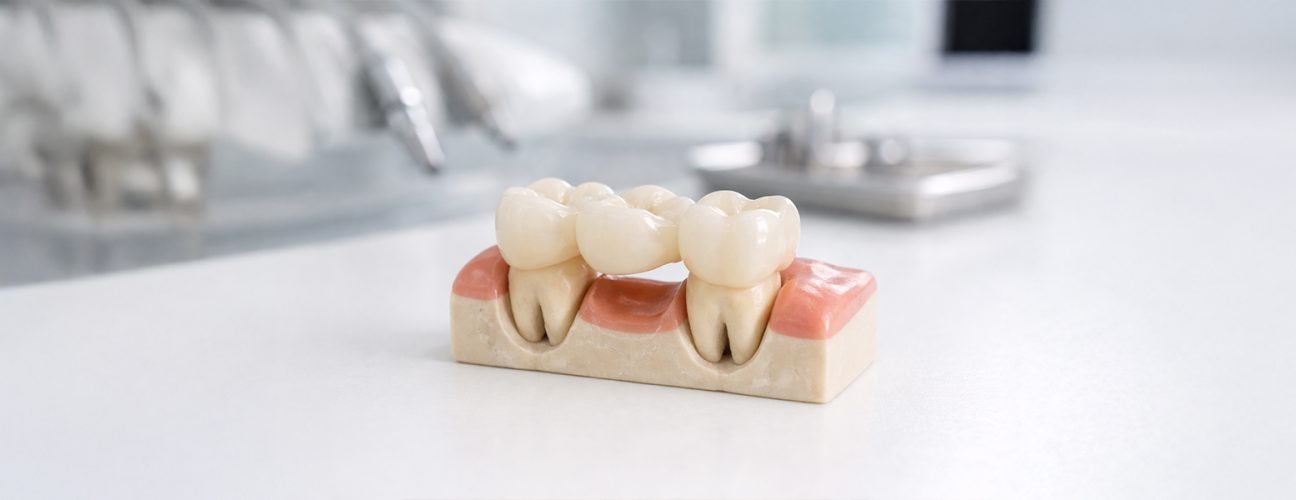
How Digital Dentistry Improves the Fit and Comfort of Dental Bridges
February 1, 2026A dental bridge replaces missing teeth by being supported by nearby teeth, helping you chew and speak more comfortably. Digital dentistry improves how a bridge is planned, designed, and made, so it can fit more precisely and feel more comfortable day to day. If you are considering dental bridges in Kernersville, it helps to understand how digital scans and computer-guided design can reduce guesswork and streamline the process.
What Digital Dentistry Involves
Digital dentistry uses modern tools to capture accurate images of your teeth and gums, then applies software to plan the restoration. Instead of relying only on physical molds and hand-set measurements, your dental team can “see” the details of your bite and tooth shape in a digital model.
Many families in Kernersville ask whether this changes the bridge itself. The goal is still the same: a stable bridge that looks natural and functions well. The difference is how precisely the bridge can be tailored to your mouth.
Digital Scanning Vs. Traditional Impressions
Traditional impressions often use a tray filled with putty-like material that sets around your teeth. Some patients tolerate it well, while others find it bulky or gag-inducing. Digital scanning uses a small handheld wand to capture thousands of images and stitch them into a 3D model.
Digital scans can help by:
- Reducing discomfort during the “impression” step
- Capturing fine details around the gumline
- Allowing quick re-scans of specific areas if needed
In a typical visit to a dentist’s office in Kernersville, this step can feel faster and more controlled, especially if you have a sensitive gag reflex.
Precision In Designing Dental Bridges
A bridge has to match more than the visible tooth shape. It must fit along the margins (where the bridge meets the tooth), support healthy gums, and align with the way your teeth meet when you chew.
Digital design tools allow the dental team to evaluate:
- Spacing between teeth and the missing-tooth area
- The contours needed for cleaning access
- Contact points that prevent food packing
- Bite forces that can stress the bridge over time
That planning step helps reduce the “trial-and-error” feel some patients associate with older workflows.
Improved Fit Through CAD/CAM Technology
CAD/CAM refers to computer-guided design and manufacturing used to create dental restorations with precision. After the digital scan is taken, the bridge is designed in software and then milled or fabricated with high consistency.
This approach often improves fit because:
- The design is based on a detailed 3D model, not a single physical mold
- The milling process can reproduce fine contours accurately
- Adjustments can be made in the design stage before the bridge is created
In our day-to-day work, we also use these tools to confirm that the bridge is shaped to support comfortable chewing and clear speech, not just a good appearance.
Enhanced Comfort And Bite Accuracy
Even a small bite imbalance can lead to symptoms like tenderness, jaw fatigue, or a “high spot” feeling when you close. Digital tools help your dental team assess how the bridge will meet the opposing teeth, so the final result feels more natural.
A well-planned bite can help:
- Reduce pressure points when chewing
- Lower the chance of soreness in the supporting teeth
- Improve comfort if you clench or grind
- Support clearer speech by refining thickness and edges
If you have ever searched for a dentist near me after a restoration fell off, bite accuracy is often part of the conversation.
Digital Dental Bridges: Quick Facts
- Digital scan: captures a 3D model without messy impression material
- Design stage: software refines margins, contacts, and bite alignment
- Fabrication: CAD/CAM milling improves consistency and detail
- Appointments: often fewer “back-and-forth” visits for fit tweaks
- Comfort goal: smoother edges and a bite that feels balanced
Faster Turnaround And Fewer Adjustments
Digital workflows can shorten the timeline by speeding up how records are captured and transferred. If something needs to be refined, digital files can often be updated quickly rather than restarting from scratch.
Fewer adjustments matter because each adjustment changes the surface you chew on. The more precise the initial fit, the less reshaping is typically needed, and the easier it is to protect the bridge’s strength and polish.
As Dr. Brandon Murray often reminds patients, the best bridge is the one that feels stable and predictable when you eat, speak, and smile.
Long-Term Benefits For Patients
A dental bridge should feel comfortable beyond the first few days. When a bridge fits well, it is typically easier to clean, gentler on the gums, and less likely to trap food that can cause irritation over time.
Patients often notice benefits such as:
- Easier daily flossing with tools designed for bridges
- Healthier gum tissue when the edges of the bridge seal properly
- Less pressure on nearby teeth due to a balanced bite
- Improved comfort during everyday chewing
If you are seeing a dentist in Kernersville, it is helpful to ask how the bridge design supports long-term gum health and daily cleaning, not just how it looks.
FAQs
No. The scanner does not touch your teeth aggressively, and most patients describe it as comfortable and quick.
Many patients adjust quickly when the bite is well-balanced. You may still need a short adaptation period as your mouth gets used to the new shape.
Call your dental office for a bite check. A minor adjustment can prevent soreness and protect the supporting teeth.
Final Thoughts
Digital dentistry allows dental bridges to be planned with greater accuracy, which often leads to a smoother fit and fewer bite adjustments. This can make the overall process more comfortable and easier from start to finish. If you have a missing tooth or an older bridge that no longer feels right, an exam can help clarify what options make sense for you. At the end of the visit, Welden Village Dental can review your bite and talk through practical next steps based on your needs.